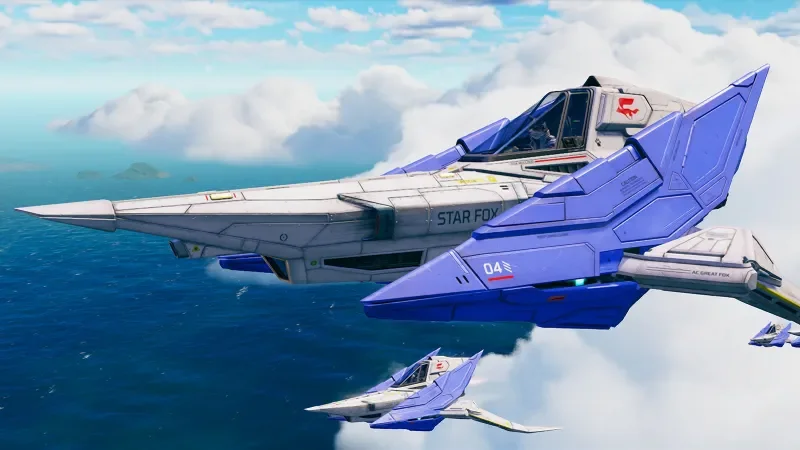
The Legend of Zelda and Star Fox franchises occupy different tiers in gamer consciousness, yet both are pivotal to Nintendo’s legacy. Zelda has thrived with recent successes, while Star Fox has faced challenges in maintaining momentum. Both franchises, however, found defining moments during the Nintendo 64 era, with titles that remain seminal in gaming history. As part of its strategy for the new Switch 2, Nintendo announced the remakes of these iconic titles for 2026, rekindling nostalgia and introducing these classics to a new generation.
Reestablishing Star Fox in the Gaming Sphere
Nintendo's strategy for Star Fox appears to focus on revitalizing the franchise through the lens of its rich legacy. With their prominent roles in recent media—most notably the Super Mario Galaxy Movie—characters like Fox McCloud and Falco are in the public eye again. This remake not only caters to longtime fans but also serves to reintroduce younger gamers who may know these characters primarily from the Super Smash Bros. series. Given the lengthy absence of original titles, it's essential for Nintendo to remind players of the narrative depth and gameplay style that define Star Fox.
The last significant release, Star Fox Zero, was marred by the Wii U's lack of consumer adoption, limiting exposure and interest. As a consequence, an entire generation might perceive the Fox team as nostalgic relics rather than core figures in the Nintendo roster. The decision to simply title the new game as Star Fox signifies a fresh start. If successful, it could pave the way for new stories featuring the iconic squad. For Velan Studios, known for titles like Knockout City and Mario Kart Live, this project could serve as a pivotal learning experience, helping them secure their footing within the franchise while enhancing their knowledge of its distinctive gameplay mechanics and lore.
Bridging Generations with The Legend of Zelda
The Legend of Zelda franchise is riding a wave of commercial success, with its latest 3D entries proving to be the best-selling in franchise history. However, the question arises: how does one transition from the unprecedented freedom of Breath of the Wild and Tears of the Kingdom back to a more linear, traditional format? The answer may lie in the 2026 remake of Ocarina of Time.
For many fans, especially newer ones introduced through the latest titles, a remake of Ocarina represents an opportunity to understand the franchise's roots without confronting the expectations that typically accompany new releases. It allows those unfamiliar with the earlier, more structured gameplay to appreciate the evolution of both the narrative and design philosophies underpinning the series. Furthermore, the current year marks the 40th anniversary of The Legend of Zelda, amplifying the celebrations surrounding the announcement of the remake.
It's plausible that Nintendo aims to utilize this remake as a bridge for fans. By emphasizing the storytelling and gameplay style of classic Zelda titles, they could facilitate an easier transition back to a more linear approach in future games. If a new 3D title follows the structure of earlier games, it may resonate better with players who have experienced the upcoming Ocarina remake. This dual strategy serves to celebrate the franchise's history while preparing for its future.
Future Potential and Player Engagement
The efforts in remaking both Star Fox 64 and Ocarina of Time seem not only aimed at nostalgia but also at addressing current market dynamics. If Velan Studios proves successful with Star Fox, it could expand into creating original content that explores new narratives within this beloved universe. Similarly, should the Ocarina remake rekindle interest in the series, it would set the stage for future titles that can draw from both the traditional and modern elements of gameplay.
Ultimately, Nintendo's move to remake these titles is strategic, aiming to captivate a diverse audience. For seasoned fans, it offers a chance to relive cherished moments, while for newcomers, it provides an accessible entry point into two of gaming's most revered franchises. Even if expectations aren't met in terms of new original titles immediately following these remakes, the fact that both games will become available on Switch 2, in their original forms along with these modern adaptations, is likely to please long-time Nintendo enthusiasts.
In the end, these remakes could serve dual purposes: invigorating classic franchises and acting as training grounds for new developers, while also celebrating thirty to forty years of gaming history. Whether or not this vision becomes a reality remains to be seen, but fans can look forward to experiencing these beloved games in a refreshed format.