Octopath Traveler Series Launching on Switch 2
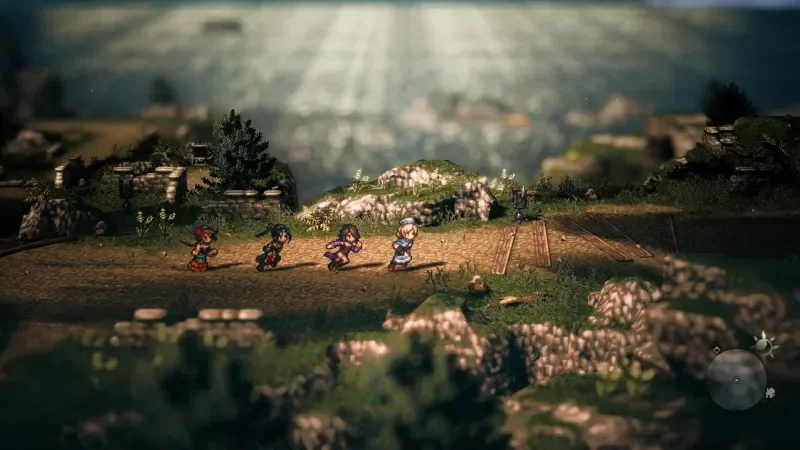
On October 1, both Octopath Traveler and Octopath Traveler II will make their debut on Switch 2, coinciding with the series' 8th anniversary. This milestone not only celebrates the rich storytelling and pixel-art visual style that fans have come to love but also marks a pivotal moment for the franchise as it transitions to a new platform. Launching two major titles at once reflects a strategic decision by Square Enix, aiming to reignite interest in a series that's developed a devoted fan base since its initial release in 2016.
Release Details and Enhancements
Players can buy these titles separately, either digitally or as physical copies, or opt for a digital-only bundle. The release strategy will cater to various gamer preferences, from collectors seeking physical editions to digital natives who prefer the convenience of a download. But the big draw here is the promised enhancements: players can expect improved frame rates and higher resolutions on the Switch 2, delivering a revamped visual experience. Previous titles in this genre often had limitations tied to hardware; it's apparent that the developers invested in maximizing the potential of the new console.
New graphical capabilities could expand the horizons for both titles, allowing for richer environments and smoother gameplay. While the original games were praised for their art style, the upgraded graphics could attract new players who haven’t experienced the series yet. Enhanced audio quality also seems to be on the horizon, which would further immerse gamers in the intricate worlds that the Octopath series is known for.
Limitations for Existing Players
However, existing owners won't enjoy any upgrade benefits. The announcement clarifies that there's no option to upgrade from the original Switch versions. This could be a point of contention among loyal fans, especially those who invested time and money into the original platform. There's a keen awareness of how such limitations can alienate core players; after all, many franchises allow some form of upgrade or cross-play capabilities. In this case, players cannot transfer save data between the original and Switch 2 versions, meaning a fresh start is required for those looking to play on the new console.
While a fresh start might be appealing to some, for many, it can feel like an unnecessary reset on hours of gameplay. This approach could discourage loyal fans from making the switch—pun intended—leading to skepticism regarding whether the enhancements truly justify the cost of starting anew. It’s a gamble that Square Enix is taking, balancing the potential for new players against the risk of alienating hardcore fans.
Contextualizing Octopath Traveler's Legacy
The Octopath Traveler series was initially lauded for its unique blend of classic turn-based combat and a captivating narrative interwoven with eight distinct character stories. It managed to carve out a niche in the crowded RPG market, especially for those who appreciate a retro aesthetic combined with modern gameplay mechanics. Square Enix's decision to release these games on the Switch 2 aligns with a trend where companies are doubling down on popular franchises to encourage hardware sales and player engagement.
Interestingly, this isn’t the first time that a gaming company has withheld upgrade paths for existing titles. Similar systems typically face backlash from dedicated fan bases, as seen in cases like the **PS4 to PS5 transitions**, where numerous titles offered upgrade discounts or enhancements for players who had previously purchased them. It remains to be seen how Square Enix's approach will resonate with fans and whether the enhancements will be enough to justify an entirely new investment.
Future Implications and Significance
The release of the Octopath Traveler series on the Switch 2 might signal broader intentions from Square Enix to revitalize not only this franchise but also others that have fallen into obscurity over time. With the gaming community constantly evolving and new hits emerging, there’s pressure on established series to stay relevant. The company's decision to not allow save data transfers can serve as a double-edged sword—while it may streamline development and game balancing for the new system, it risks bitterness from established fans.
What this means for you—if you're working in this space, whether as a developer, marketer, or gamer—is a reflection of changing engagement strategies in the gaming industry. Are companies focusing on new players at the expense of loyal fans? Or are they simply preparing for a future where new consoles and innovations in gaming technology redefine how experiences are interacted with? Either way, fans will be watching closely. With the new generation of consoles fostering expectations for upgrade paths and backward compatibility, Square Enix will likely face scrutiny regarding the long-term implications of this decision.
Ultimately, the situation presents a fascinating case study in loyalty, investment, and market dynamics. As gamers navigate the shifting terrains of hardware and software, these kinds of choices will mold the relationship between developers and their established communities. The stakes are high—but they’re always worth watching.
Further Reading
Check out our original reviews for Octopath Traveler and Octopath Traveler II, along with our review of Octopath Traveler 0 for more insights on the series.