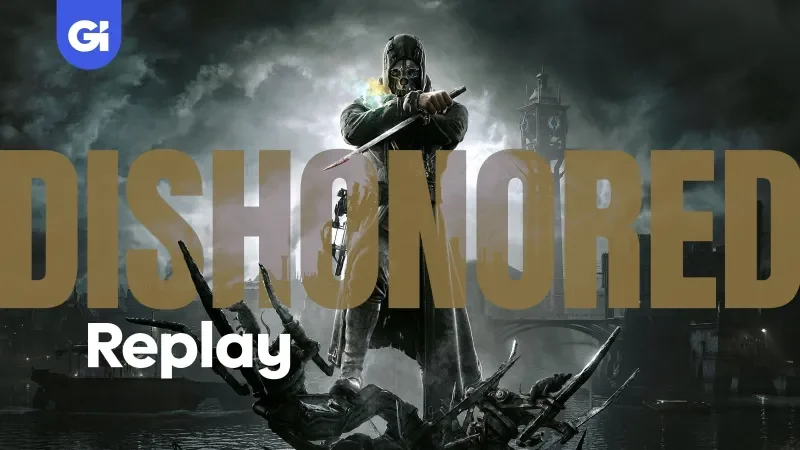
The Impact of Dishonored in the Gaming World
Launched in 2012, Dishonored from Arkane Studios isn't just another title in the vast sea of first-person action games — it’s a hallmark of creative game design. Players step into the shoes of Corvo Attano, a character marked by tragedy, as he navigates a world where betrayal and corruption run deep. Wrongfully accused of assassinating the empress he served, Corvo’s journey is one that invites empathy, forcing players to question loyalty in a morally ambiguous setting. This narrative depth is what sets Dishonored apart and makes it memorable.
Dishonored's gameplay mechanics deserve just as much attention. The unique blend of stealth, combat, and the introduction of supernatural abilities like time-manipulation and teleportation creates a rich tapestry of choices. Each playthrough can differ dramatically based on the player's approach to objectives, reflecting a design philosophy that rewards creativity. Similar systems often limit player choice to specific paths, but Dishonored thrives on its open-ended structure, encouraging players to find multiple ways to engage with its intricately designed environments.
Aesthetics and Atmosphere: The Whalepunk Influence
What’s undeniably striking about Dishonored is its distinctive "whalepunk" aesthetic. This term describes a world inspired by the Victorian era but infused with dark fantasy elements and a steampunk vibe, including industrial machinery powered by whale oil. Such innovative art direction not only enhances the gameplay but also crafts an atmosphere that feels alive. You’re not just playing a game; you’re immersing yourself in a universe filled with unique lore and attention to detail. That's a hard feat to achieve, especially in an industry littered with generic settings.
This striking aesthetic draws players in, providing a visually rich backdrop that complements the narrative's dark themes. It presents a cohesive design strategy that's fairly rare among video games — one that balances narrative, gameplay, and art. In the gaming sector, the visuals can often overwhelm the underlying mechanics. However, Dishonored managed to harmonize these aspects into a whole that's greater than the sum of its parts. Other games have ventured into similar territory, yet few can claim to have accomplished this level of cohesion.
Legacy and the Road Ahead for Arkane Studios
The critical acclaim Dishonored received set a solid foundation for Arkane’s future endeavors. It opened doors for sequels and spiritual successors, such as Dishonored 2, Prey, and Deathloop, each of which continued to explore nuanced storytelling and intricate gameplay mechanics. This progression reflects the studio’s commitment to pushing the envelope in gameplay design, blending action with deep narrative elements.
However, Arkane Studios faces scrutiny. Fans and critics alike have debated whether the studio can maintain its creative momentum. After all, the gaming community often holds developers to high standards, especially after a significant success. A growing concern is whether creative risks will continue to be embraced, or if future titles will succumb to industry pressures for greater commercial success. This is particularly relevant as multiplayer gaming becomes the dominant mode and storytelling takes a back seat.
The Twitch and YouTube Live Playthrough: An Exploration of Nostalgia
To celebrate Dishonored’s legacy, senior associate editor Marcus Stewart will be streaming a live playthrough of the game on Twitch and YouTube. Scheduled for 12 p.m. PT/3 p.m. ET, this livestream aims to explore the iconic opening hours of the game after 16 years. For many, this is an opportunity to revisit formative experiences, to see what has aged well and what feels dated. (And this is the part most people overlook: how nostalgia can shape modern gaming experiences.)
Live streams connect more than just the past to the present; they also foster community discussions. Gamers, new and old, can share their experiences and strategies as they re-engage with familiar settings and characters. It's like a collective memory recall session, where every shared story adds another layer to the game's rich history. For newcomers, these playthroughs present a way to experience the magic of Dishonored without delving into the entire game. They'll see firsthand the choices that defined the player experience in a time where gaming narratives began to seek meaningful connections with their audience.
Looking Ahead: The Significance of Dishonored
As we reflect on Dishonored's impact, it’s clear that the game raised the bar for narrative-driven first-person games. Its unique blend of aesthetics, mechanics, and ethical dilemmas reshaped expectations about what video games could offer. Yet, this legacy also poses a question about the industry’s direction. If you're working in this space, you'll realize that trying to replicate such a formula can be a double-edged sword. There's a temptation to play it safe, but playing it safe doesn’t yield the groundbreaking creativity that players crave.
The path ahead for developers is fraught with challenges. As gaming continues to evolve, the industry needs to balance the demands of the market with the artistic ambitions that make games like Dishonored resonate on a deeper level. Arkane Studios' journey is a case in point. How they navigate this balance will not only influence their success but will also shape the landscape of narrative gaming for years to come. The stakes are high.