Engaging Combat Mechanics in The Blood of Dawnwalker
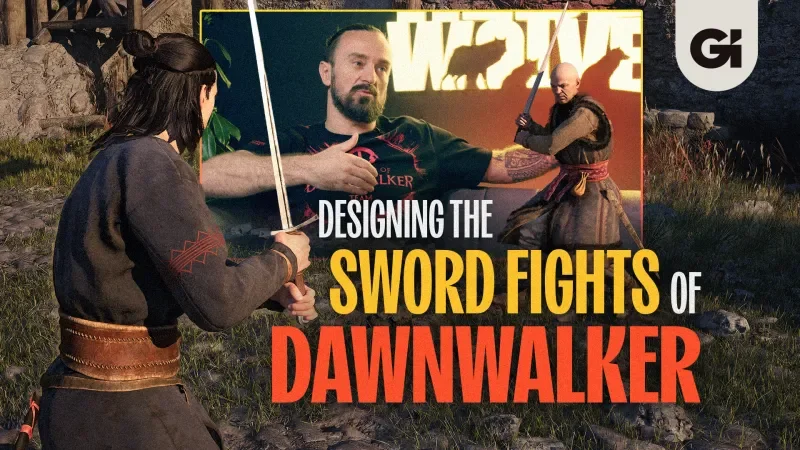
In the expansive realm of The Blood of Dawnwalker, combat transcends basic interactions. The protagonist, Coen, often finds himself needing more than just dialogue and quests, requiring him to draw his sword or utilize his vampiric abilities. This elevates the gameplay from mere storytelling to skillful engagement, making it vital for players to master combat to progress through the game's narrative. This is more significant than it looks; an enriching combat system can keep players invested and provide a sense of achievement as they hone their skills.
A New Approach to Combat Mechanics
Rebel Wolves isn't taking shortcuts when it comes to battle. The studio has implemented a directional combat system that demands real-time reflexes; players must respond to sword attacks and defensive moves by blocking, parrying, or dodging. The emphasis on timing and precision adds a layer of complexity that keeps each encounter fresh. Unlike simpler point-and-click systems, this method requires a mastery over the mechanics, thus deepening the player's connection to the experience. Engaging with enemies isn't just a chore to get through; it’s a dance of strategy and skill.
In many contemporary action games, developers have leaned towards more automated approaches, where players’ actions are rewarded regardless of precision. Rebel Wolves, however, aims for a level of sophistication that mirrors popular titles like Dark Souls, known for its punishing yet rewarding combat mechanics. This paradigm shift in gameplay underlines a broader trend in the industry: players increasingly favor challenges that necessitate tactical awareness over mere button mashing. With its focus on timing and skill, The Blood of Dawnwalker appears poised to attract both hardcore gamers and those looking for a more immersive storytelling experience.
Reflexes and Tension
This combat mechanism elevates tension and fully immerses players in the gameplay experience. The necessity for quick reflexes means that each encounter can turn deadly in an instant. Players need to remain vigilant, not just watching their opponents’ movements but also anticipating them. It’s a throwback to the early days of combat-focused games where each sword swing felt meaningful. The adrenaline rush of successfully dodging a blow or executing a perfect parry demonstrates how games can harness player reflexes to create memorable moments.
Character Development and Unique Abilities
As players engage with the combat system, they’re not just defeating enemies — they're also managing Coen's progression. Throughout his journey, players will uncover and unlock unique abilities that enhance gameplay. This progression isn’t merely a linear upgrade; instead, it reflects a deeper system of skills that can transform combat strategies. For instance, specific abilities may lend to more aggressive playstyles while others offer defensive prowess. It's a choice that allows players to shape their gameplay experience based on personal preference.
Insights from the Development Team
For more insights, check out our cover story video where the team discusses this combat style and shares details about Coen’s progression and the unique abilities he will unlock throughout his journey. The development team's reflections provide a valuable look at the philosophy behind these design choices, revealing a commitment to player agency and engagement.
Comparative Industry Analysis
Consideration of similar games in this genre offers context. Titles like Bloodborne and Nioh have shown that players are more drawn to experiences where skill and strategy dominate combat. These games have evidenced that the focus on skillful combat, where the player's reaction time and decision-making are tested, resonates well with audiences. This approach not only heightens the tension during fights but also enriches the narrative as every victory feels earned, transforming each defeat into a learning experience. Rebel Wolves appears to acknowledge these successful elements from other franchises and integrate them into The Blood of Dawnwalker in a manner that feels fresh yet familiar.
Implications and Future Outlook
The design choices made in The Blood of Dawnwalker have broader implications for the industry. As developers increasingly prioritize immersive and challenging gameplay, the demand for skill-based combat systems may rise. Games that offer satisfying mechanics paired with deep character development will likely set the benchmark for future titles. You could argue that the market is ready for a shake-up, with titles that challenge players like never before. If you're working in this space, consider how this game could reshape player expectations and push others to elevate their combat mechanics.
In conclusion, while The Blood of Dawnwalker showcases an ambitious combat system, the real challenge lies in how effectively it can sustain player interest. In an industry often plagued by a one-size-fits-all approach, Rebel Wolves' commitment to creating a nuanced and engaging experience stands as a testament to the enduring appeal of skill-based gameplay.