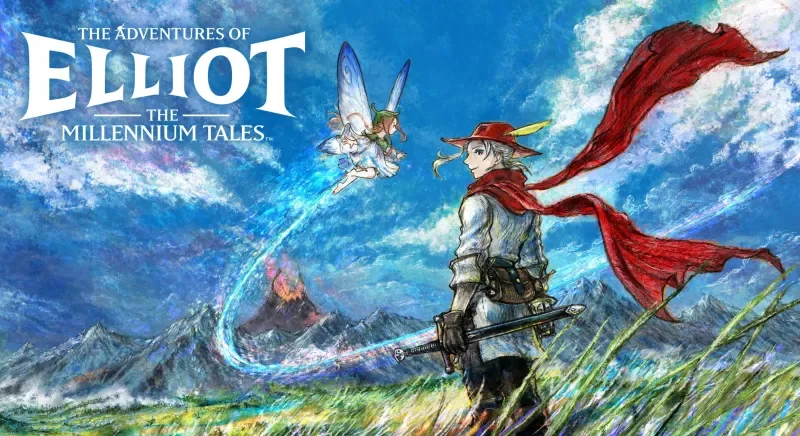
Team Asano and the Feedback-Driven Update
Team Asano, well-known for its work on the Octopath Traveler series, has released a significant update for their latest title, The Adventures of Elliot: The Millennium Tales. This game, available now on PlayStation 5, Xbox Series X/S, Nintendo Switch 2, and PC, directly responds to user feedback surrounding the character Faie. Many players expressed frustration over her overly verbose dialogue, which detracted from their overall experience.
The decision to implement user-driven changes reflects a broader trend in the gaming industry, where ongoing communication between developers and players is paramount for success. This isn't just about adding new features; it's about fostering a community and understanding what fans want. By listening to player concerns, Team Asano illustrates its commitment to providing a more polished product. The latest update aims to address those concerns, especially regarding Faie's dialogue frequency.
Drawing Parallels: The Influence of Zelda
The game clearly draws inspiration from the iconic Zelda franchise, particularly featuring a character resembling Navi from The Legend of Zelda: Ocarina of Time. Here’s the thing: while Navi did receive criticism for excessive chatter, Faie’s dialogue has been noted as even more pronounced. Such comparisons can be a double-edged sword; they bring nostalgic value but also set high expectations. Gamers often have strong feelings about aspects that echo beloved titles. When such expectations aren't met, or when they provoke annoyance rather than engagement, the backlash can be swift.
Interestingly, Team Asano's initial efforts to mitigate Faie's chatter through customizable settings indicate they recognized the potential for discontent early on. But the recent 1.1.0 update provides a new choice—players now have the option to mute Faie entirely. This is a welcome relief for those who found her communication intrusive, enabling players to tailor their experience far more effectively than before. It's a smart move that may curb frustration and enhance immersion.
Patch Notes: Enhancements Beyond Dialogue
The patch notes are direct and clear, and they do more than just cater to the complaints about audio. The update introduces adjustments to tutorial behaviors, which can significantly impact new players trying to navigate the game's mechanics. Enhanced frame rate stability for certain PCs is another crucial point, as performance can often dictate whether a player feels inclined to continue an experience—especially in visually engaging titles. No one enjoys lag interrupting their gameplay flow.
These changes underline Team Asano’s diligence in refining elements that may have gone unnoticed but impact user experience. Minor bug fixes will also contribute to an overall smoother gameplay experience, showing that the team isn’t merely reacting to major complaints but is committed to continuous improvement. These steps reinforce the idea that updates are not just about making corrections but about enhancing the user's connection to the game.
Community Reactions & Future Implications
Feedback from players has become a valuable asset for developers. Just look at this pattern across many titles—community engagement can be a lifeline. If you're working in this space, the importance of listening can't be overstated. Team Asano's approach highlights a trend many companies would do well to replicate. It raises the bar for player feedback integration, showing that developers can successfully adapt their games to suit the needs and desires of their audience.
So, what does this mean for the future? Games are increasingly developed in tandem with community input. The result? A culture that prioritizes player experience over a rigid vision of what the game should be. This democratization of development could lead to products that resonate more deeply with audiences. If the industry continues on this trajectory, we might see developers transforming in real-time, evolving their projects based on genuine user interaction rather than fixed timelines.
As players continue to dialogue with developers about their needs and preferences, the possibilities for future releases are exciting. This is more significant than it looks. It suggests an industry shift towards truly collaborative development, where updates, patches, and DLCs don't just address oversights but also incorporate player creativity and input.
Share Your Thoughts
What are your thoughts on Faie's dialogue? Share your insights in the comments below!