Overview of The Blood of Dawnwalker
Platform: PlayStation 5, Xbox Series X/S, PC
Publisher: Bandai Namco
Developer: Rebel Wolves
Release:
Rating: Mature
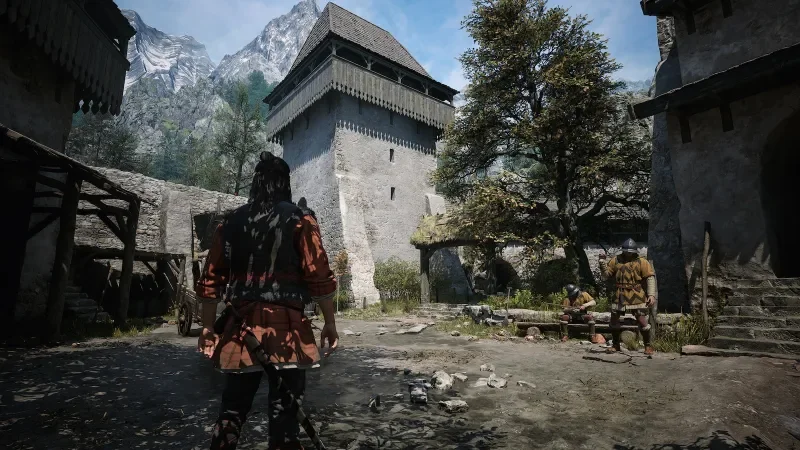
In an engaging preview of The Blood of Dawnwalker, developed by Konrad Tomaszkiewicz, the co-director behind The Witcher 3 and Cyberpunk 2077, the narrative unfolds poignantly. Players step into the shoes of Coen, whose idyllic life is shattered when his sister Kunka betrays him after transforming into a vampire. This dark twist sets a bleak tone as he witnesses the subsequent horror inflicted on his family. Such a narrative device is not only a compelling storytelling choice but also reflects the emotional stakes often found in classic literature—betrayal and familial bonds are themes that resonate deeply, echoing the experiences of countless players seeking meaningful connections through games.
The Dream Sequence and Character Motivation
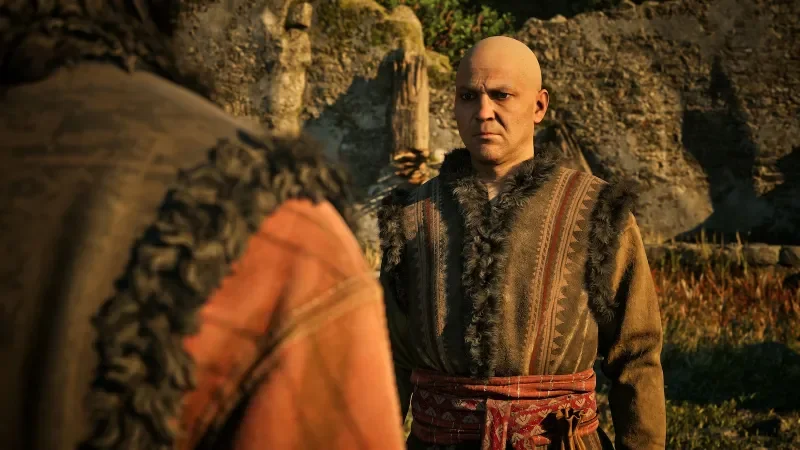
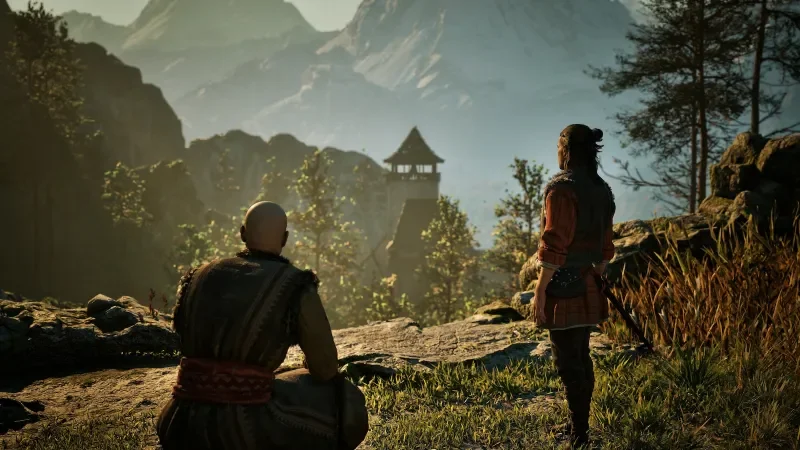
What follows is a dream sequence that serves as a stark reminder of the continuous threat that vampires pose in Coen's world. He awakens confronted by the grim realities of his family’s declining health, particularly his mother’s illness. This visceral reminder of mortality seems to be a calculated emotional trigger intended to engage players on a deeper level. Coen’s character is defined by his unwavering dedication to his family, propelling him to seek aid from a local woman named Anca. This pursuit of help isn't a mere plot point; it illustrates how desperation can guide one's actions and moral decisions, a common thread in survival narratives. If you’re working in this space, you can appreciate how such emotional stakes elevate a standard storyline into something more profound.
Gameplay Mechanics and Player Choices
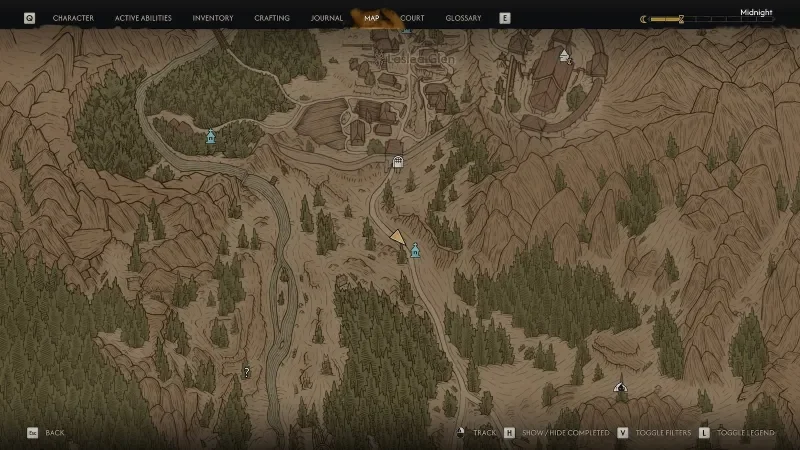
The game encourages exploration, but there’s a compelling urgency that comes with timed quests. I opted to assist my siblings in gathering food, which deepens the emotional connection among family members and provides insight into their struggles against an oppressive vampire regime. This mechanic of timed quests not only heightens suspense but also adds layers of moral complexity—do you prioritize immediate family needs or a larger resistance strategy? These choices can define player experiences, creating a sense of agency while emphasizing that every decision carries weight.
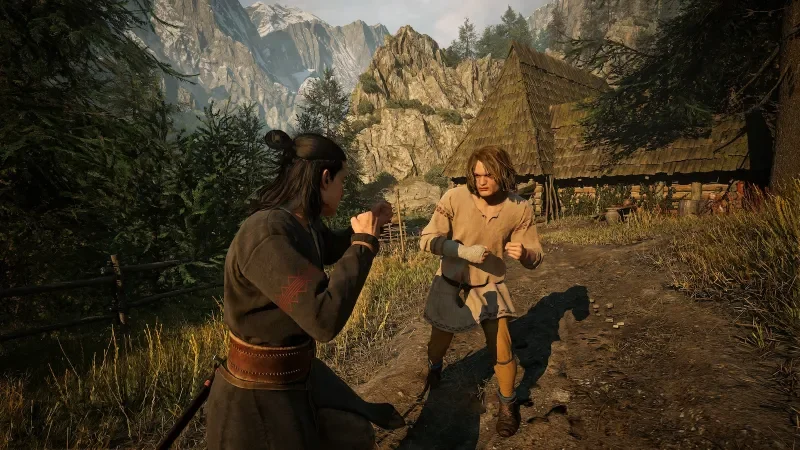
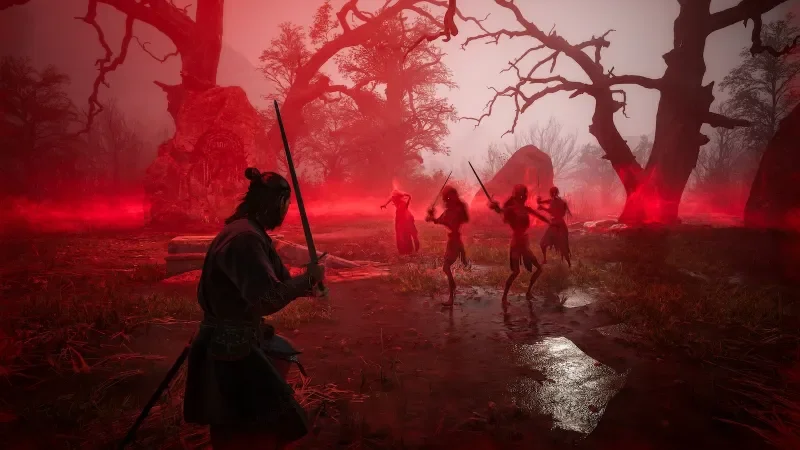
During my endeavors, I stumbled upon a runaway pig and a brother trapped with a menacing creature, showcasing the game's blend of moral choices and strategic combat. Here’s the thing: the balance between decision-making and action reflects an understanding of what makes RPGs memorable. The combat itself drew comparisons to titles like Ubisoft’s For Honor, emphasizing player skill with responsive swordplay where timing and positioning determine the outcomes. Such a comparison raises questions—can this game stand out in a crowded field, or will it be just another title that struggles for recognition among giants?
The Cost of Decisions
However, a snap decision regarding the incorrect dosage of medicine has dire consequences when Coen’s mother tragically dies at a gathering attended by vampires. With this loss inciting his father to rally the townspeople against their oppressors, the stakes intensify as plans unfold for rebellion. Yet, the vampires retaliate, leading to catastrophic losses. It’s a poignant moment that underscores the often-harsh reality of decision-making within the game. Players aren't merely observing the fallout of choices—they're living with the implications, and that intensity can create a uniquely immersive experience. (And this is the part most people overlook.) Decisions in gaming aren't just pixels; they can evoke genuine emotional responses.
The Transformation and New Dynamics
After Coen is bitten and grapples with his burgeoning cravings for blood, the stakes only escalate. The narrative drives forward with Coen’s vampiric transformation introducing new dynamics, adding layers to the gameplay experience as he tries to retain his humanity while navigating his new circumstances. This transformation could symbolize the loss of innocence, a common narrative element that resonates in many coming-of-age stories. Players may find themselves questioning their own morality as they navigate Coen’s increasingly complex reality.
Anticipating Future Outcomes
In a climactic moment, Coen faces off against the vampire who turned him but is ultimately overpowered. Expecting death, he instead awakens in Anca's care, where she reveals she can help him master new magical abilities and speaks cryptically about the fate of his family, who remain in peril for a limited time. This setup heightens anticipation for how Coen will evolve and what choices lie ahead. With a three-hour playtime just scratching the surface, I found lengthy branches of untapped content and choices leading to varying outcomes. The numbers here are underwhelming—three hours might seem like a lot, but it really only grazes the potential depths of storytelling and exploration that players could expect. I couldn't fully explore all the narrative avenues available, leaving a tantalizing sense of anticipation for how my decisions might shift the trajectory of the story come release.
Implications and Future Outlook
As we look ahead to The Blood of Dawnwalker's release, it’s clear that this game is aiming to challenge players not just physically but emotionally as well. The intricate balancing act of family loyalty, moral choices, and the consequences of one's actions is nuanced in a way that might set it apart from many of its contemporaries. The significance here lies not just in the gameplay mechanics or storyline but in how the game aims to resonate with players on a personal level. As players seek more than mere entertainment, this title's approach may mark a shift towards games that prioritize emotional depth.
Subscribers can read our full The Blood of Dawnwalker story by following the link