IO Interactive Regains Control
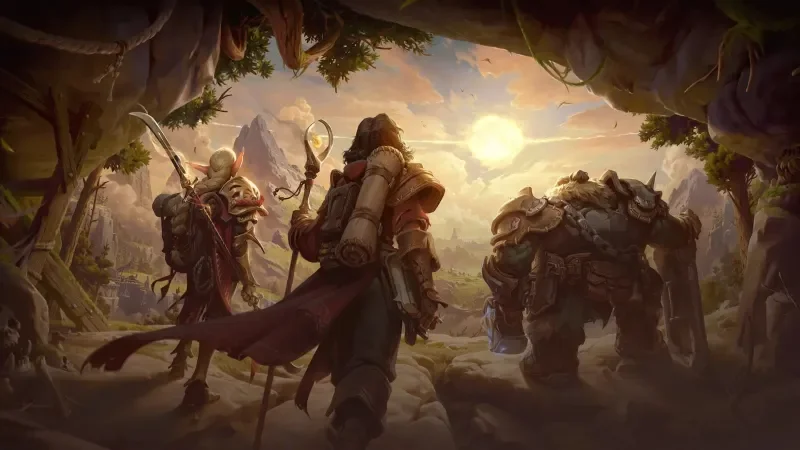
In the latest news from the gaming sector, IO Interactive has announced it has regained full ownership of its forthcoming online RPG, Project Fantasy. This decision follows the studio's split from its former financial partner, Xbox, a move that could significantly influence both the studio's trajectory and the broader gaming ecosystem. Known for their successes with the Hitman franchise and the more recent title 007 First Light, the Danish studio is now charting an independent course, which raises questions about the scale and sustainability of their ambitious project.
Supporting Project Fantasy Independently
With the announcement of self-funding for Project Fantasy, IO Interactive is making bold choices. This transition forces a strategic re-evaluation of its workforce to ensure the studio remains viable in the competitive AAA gaming market. As part of this adjustment, layoffs have been implemented, a reminder of the constant pressure studios face in balancing ambition with financial realities. The studio is now redirecting its focus to core internal projects rather than external collaborations and mobile gaming adaptations, which could limit their diversity of offerings. This strategic pivot also led to the closure of their Istanbul branch, further emphasizing a shift towards consolidation.
This is where it gets particularly interesting: while the focus on internal development can lead to a more cohesive vision for Project Fantasy, it also narrows the talent pool and resource availability. The stakes are high. IO Interactive's reputation relies on the successful delivery of Project Fantasy, especially since it now bears the full weight of funding and development. The gaming industry often rewards those who take risks, but it can equally punish those who stumble—especially when you’re gambling on an untested IP. If you're working in this space, you know the clock is ticking.
A Commitment to Future Success
IO Interactive's recent declarations highlight a firm resolve to maintain independence and secure its future as a significant player in the AAA gaming sector. In their announcement, the studio noted, "These are hard, but necessary decisions to retain our long-term independence and give Project Fantasy the best foundation to succeed." This shows a level of commitment that’s commendable, yet it also raises eyebrows. Can they truly sustain a AAA title without the backing of a major player like Xbox? This self-imposed challenge could be a double-edged sword.
Moreover, IO's pivot appears to ride along similar waves affecting Xbox itself, which recently announced significant staff reductions and a strategic realignment of its investment portfolio. Here’s the thing: when large corporations like Xbox undergo restructuring, it can create ripples throughout the industry, often affecting smaller studios bound by financial constraints. These can shift priorities away from long-term projects in favor of rapidly turning a profit, which may not favor the kind of deep-world building Project Fantasy aims to achieve.
The broader implications of such shifts can’t be ignored either. When studios scream for independence, it often means they recognize the need to foster unique identities separate from larger ecosystems. Yet, whether that independence will translate into success remains to be seen. The gaming world has seen many studios collapse under the weight of their ambitions after walking away from the financing that may have once shielded them from failure. It's a hard, unforgiving arena.
For insights on IO Interactive's previous work, check out our review of 007 First Light here.
Future Outlook and Significance
As IO Interactive navigates its self-funded development path, the implications for both the studio and the industry at large remain significant. If Project Fantasy succeeds, IO Interactive could set a new standard for indie development in AAA studios, showing it’s possible to thrive independently. Conversely, failure could stigmatize self-funded projects, tightening investment in the sector even further. The current trends of downsizing at major companies signal a shifting paradigm in how games are financed and developed.
The volatility in the gaming industry cannot be understated. Studios have to adapt quickly to consumer demand, market trends, and technological shifts while juggling financial constraints. Contractual obligations and partnerships often influence creative decisions. This entire scenario highlights the precarious balance studios like IO Interactive must maintain: a dance between creative freedom and financial survival. And yet, players are left to wonder: what does this mean for the future of titles that thrive on partnership and collaboration? Only time will tell if IO Interactive's gamble pays off. With all eyes on Project Fantasy, the next few years will be pivotal for them—and for the industry. "What are they building for the future?" has become the central question as we look towards the evolving landscape of gaming.