
Major Restructuring Moves in Xbox
In a bold move towards restructuring, Xbox has declared its intention to separate from five development studios: Compulsion Games, Double Fine Productions, Ninja Theory, Undead Labs, and Arkane Studios. This shift coincides with a plan to reduce its workforce by over 3,000 employees in the forthcoming months, indicating a significant pivot in strategy. The decision to part ways with established studios suggests a reevaluation of operational priorities and a response to financial pressures that have long plagued the gaming giant.
CEO Asha Sharma's Vision and Financial Realities
CEO Asha Sharma outlined a vision for the brand's future in a comprehensive message to the Xbox team, marking this as "the most significant restructure in Xbox history." This claim shouldn’t be taken lightly; the implications of such a statement can reverberate throughout the gaming industry. In her communication, Sharma addressed concerns regarding the company's financial health, stating, “Our business today is not healthy.” This admission reflects a stark reality: Xbox's operational margins lag far behind competitors within the wider industry.
In recognizing a miscalculation in growth strategy, Sharma suggested the need for an immediate reset. Such a frank acknowledgment prompts questions about previous management decisions and strategic missteps. Were the ambitious expansions of recent years shortsighted? The gaming market is notorious for unpredictability, and while growth was once a primary focus, a sustained downturn can be detrimental, especially when financial resources are at stake.
Changes in Studio Dynamics
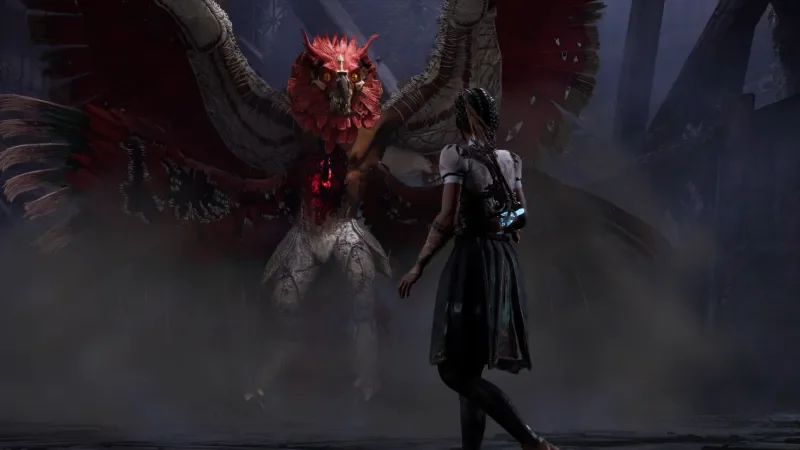
Several studios that previously faced potential closure will transition to independence or seek new ownership. This move signals a broader understanding that the competitive dynamics of game development have changed significantly. As Sharma pointed out, “We have learned that we are not the best home for every type of studio.” This reality also underscores the shifting demands of gamers who now expect a variety of experiences, from indie gems to blockbuster titles.
Compulsion Games and Double Fine will regain their independence, including their intellectual properties and game catalogs, a situation they confirmed via social media platforms. The transition back to autonomy means these studios can explore their creative visions more freely, unencumbered by corporate constraints—an opportunity that many indie developers thrive under.
Future of Remaining Studios
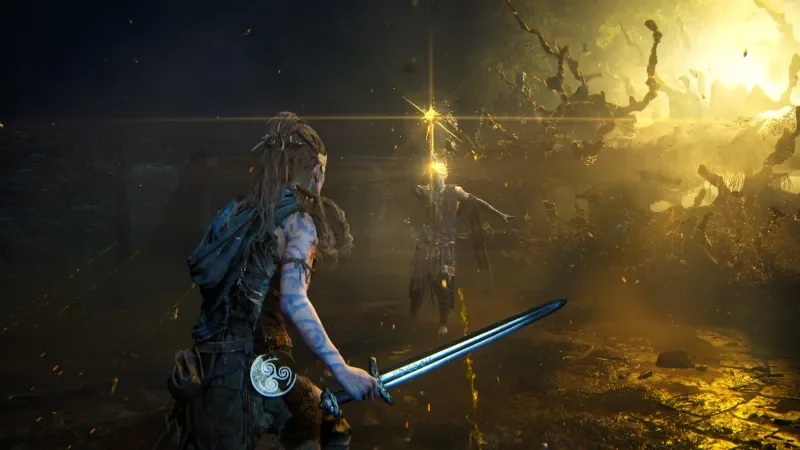
Ninja Theory and Undead Labs are slated to complete deals for new ownership, allowing them to move forward with upcoming titles, including the highly anticipated Senua and State of Decay 3, both projected for 2027. While specific details about the potential new owners remain under wraps, this highlights a strategic shift: maintaining momentum and brand recognition in a crowded market by ensuring these studios continue to produce content.
The future for Arkane Studios, however, is less certain. Following company-wide consultations in France, this studio is currently considering various strategic options. Well-known for hits like Dishonored and Deathloop, Arkane represents a valuable asset in Xbox's portfolio. Now, as it ventures into productions like Marvel’s Blade, questions about its future viability are on the table (and this is the part most people overlook)—the ability of studios to adapt under new ownership can pave the way for renewed creativity or lead to stifling challenges.
Broad Workforce Implications
These layoffs signal a significant reduction across multiple facets of the gaming business, affecting other major players like Activision, Bethesda, Blizzard, King, and Mojang. Reports estimate that around 3,200 employees in total could be impacted during the current fiscal year. As these reductions unfold, the industry must grapple with the human cost of restructuring efforts during a time when creativity and innovation are essential for growth.
Despite the workforce cuts, Sharma asserted that none of Xbox's announced games would be canceled. This pledge, while assuring, raises additional questions: How will the remaining teams manage their existing projects given the reduced headcount? Will the quality of forthcoming titles suffer as a result of a leaner workforce?
Leadership Changes and Strategic Streamlining
As part of the restructuring initiative, Sharma has promoted Helen Chiang to the position of chief operating officer (COO), replacing Dave McCarthy, who is retiring. Streamlining decision-making processes by reducing management layers addresses a long-standing criticism directed at Xbox's complex hierarchy. A simpler structure may enable quicker responses to market changes, but only if processes evolve decisively in tandem with cultural shifts within the company.
Looking Ahead: Ambitions and Industry Lessons
Sharma concluded her message with ambitious goals for Xbox: returning to growth by 2027 and connecting with over a billion daily users. There’s ambition here, to be sure, yet the viability of such targets hinges on learning from past missteps. Her remark about not mistaking longevity for inevitability should resonate with industry leaders—many companies have faltered by failing to adapt.
Implications and Future Outlook
What this means for the gaming industry is profound. As major publishers consolidate and restructure, the broader landscape could see indie developers filling gaps left by larger entities. Many gamers will be watching closely to see how these shifts affect not only the future of Xbox's titles but also the evolution of its brand identity. If you're working in this space, these developments might signal a shift towards a more fragmented but arguably more innovative industry—where agility, not size, could dictate success.