Are Kitchen Composters a Smart Investment?
Composting has long been a cornerstone of eco-friendly practices, but many find the traditional methods cumbersome. It’s a common refrain: a few weeks into the composting routine, you might find yourself overwhelmed by the mess and odor of scraps piling up in a countertop bin. I can speak to this from experience. I’ve tried to make composting work in my kitchen, but the effort often felt like more hassle than it was worth—until New York City instituted mandatory composting in 2025. That single policy shift pushed me to reconsider my approach.
The introduction of electric composting machines claims to revolutionize how we handle food waste. These advanced systems promise to transform scraps into compost in mere hours, drastically cutting down on waste volume—up to a staggering 90%. Imagine alleviating the need to deal with a bag of decomposing food, minimizing your trips to the local compost bin. However, all this convenience comes at a cost, often putting these devices out of reach for many consumers.
After months of using a variety of these electric models in real-life kitchen settings, I can confidently say that the value they provide is significant. While the initial sticker shock can be discouraging, those who commit to them might find the trade-offs worthwhile.
The Composters We Tested
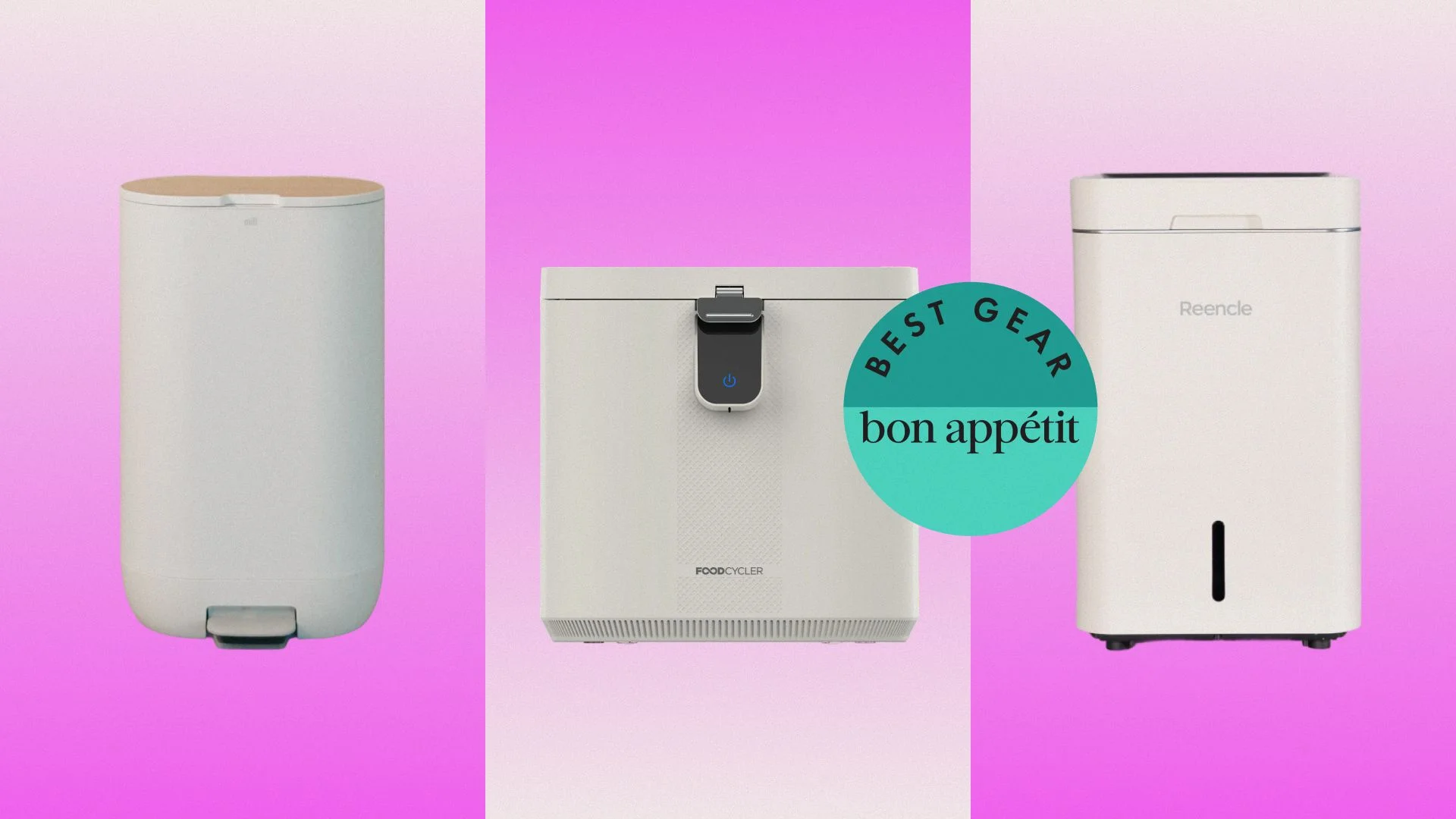
Among several models we evaluated, our standout recommendation goes to the
Reencle Gravity. This machine has garnered praise for its user-friendly operation and sleek design.
For those seeking quality but without breaking the bank, the
Airthereal Revive V500 presents itself as the most affordable option. Meanwhile, the
FoodCycler Eco 5 is ideal for those who need a mid-sized solution, making it a versatile choice for a variety of kitchen spaces.
In conclusion, it’s evident that kitchen composters are not just a passing trend; they offer a practical solution for managing food waste efficiently. While the up-front cost might seem steep, the tangible benefits of reduced waste and a cleaner kitchen environment can ultimately justify the investment. If you’ve been holding back on making the jump to electric composting, this might just be the nudge you need.
Pricing and Availability
The Reencle Gravity Composter retails for approximately $699, although it’s currently available at a discounted price of $599, reflecting a 14% savings. Given its position in the market, this pricing is slightly below what you’d find with some popular models like the Mill Food Recycler, yet it's still a considerable investment for a composting solution. Reencle also has smaller variants priced under $500, which could be appealing if you're looking to reduce costs while entering the market of composting appliances.
If you're weighing options, it's smart to monitor any seasonal promotions or deals, as Reencle often provides discounts directly through their website. For instance, the Gravity has also been linked to online retailers, making it easier to compare prices.
Strengths and Drawbacks
The Reencle Gravity doesn't come without its quirks, though. On the pro side, this system creates genuine compost, a feature that sets it apart from typical electric composters that merely dehydrate food scraps. Its design allows for easy setup with minimal maintenance, and it can tackle a wide range of food waste, including meat and dairy—something many other composters tend to struggle with.
However, it’s not all smooth sailing. Users report that the unit can emit a “loamy” smell when opened, which could be off-putting during use. More annoyingly, the motion-activated lid can be too sensitive, opening unexpectedly, which can feel invasive during meal prep or cleanup. These design hiccups, while manageable, may detract from the overall user experience, especially in busy kitchens.
User Experience Insights
Long-term usage reveals its practicality, with the composter requiring just twice-a-year emptying in a two-person household—impressive efficiency that speaks volumes about its design. Users must remember, however, to replace the charcoal filter annually to stave off smells.
Some users, including those familiar with composting systems, highlight the convenience of the machine's functionality—it's an “always-on” model, allowing for ongoing input without waiting for cycles to end. This is particularly advantageous for busy households, but adjustments may be needed to accommodate the sensor-triggering quirks.
In essence, while the Reencle Gravity Composter offers substantial benefits for eco-conscious consumers aiming to produce compost effectively, the premium price and minor usability issues are worth considering before making a purchase.
Looking Ahead: The Future of Kitchen Composting
The trend toward sustainable kitchen practices is becoming impossible to ignore. The Mill Food Recycler, priced at approximately $849—down from $999—represents a significant step forward in food waste management. If you’re serious about combating waste in your kitchen, this device could be worth considering, given its capacity to drastically reduce food scraps and eliminate odors.
What's striking is that the Mill isn't just a fad; it addresses a genuine need. In urban environments, where space is often at a premium and traditional composting can be impractical, the Mill offers an appealing solution that integrates seamlessly into daily life. Its ability to process a wide variety of food waste—everything from chicken bones to leftover produce—sets it apart from countertop composters that may require more careful handling.
But let’s not overlook the size and cost. At first glance, $849 might seem steep for a composter, especially when many people are accustomed to much simpler, less expensive systems. While its advanced features—like an app that tracks usage—elevate the user experience, potential buyers need to weigh if those perks justify the initial price.
Moreover, the feedback from those who've used the Mill is telling: the odor control is a game changer, and it appears to fill a gap many didn't realize they had. After all, the prospect of composting without the smell and hassle is undeniably enticing. As we face growing environmental challenges, innovations like the Mill could play an essential role in shifting consumer behavior toward more sustainable practices.
At the end of the day, whether you jump on the trend or not, devices like the Mill reflect a crucial shift in how we're approaching food waste. Instead of simply disposing of scraps, these solutions empower us to rethink our interactions with food. So if you’re contemplating whether now’s the right time to invest, consider this: a cleaner kitchen and a more sustainable lifestyle might just be worth it.