Once seen only as a whimsical escapade in fantasy films, the medieval aesthetic is resurfacing in fashion, intertwining nostalgia with a collective yearning for simpler times. From Anne Hathaway's performance in "Ella Enchanted" to today's style icons like Phoebe Bridgers, we're witnessing a revival that marries the essence of medieval history with contemporary sensibilities. It's a fascinating blend of the romantic and the practical, where history is not merely ornamental but deeply meaningful.
The Historical Context of the Revival
This latest iteration of medieval style doesn't exist in a vacuum; it draws upon previous revivals that echo similar themes. The 1960s saw a reimagining driven by counterculture movements that reshaped traditional silhouettes into something vibrant and new. Back then, the shift was largely seen as a rebellion against the establishment—a daring embrace of freedom and expression. Today, we see a reawakening fueled not just by nostalgic aesthetics but also by a cultural commentary encapsulating resistance against modern social challenges. The global climate crisis, economic uncertainty, and ongoing debates around identity politics have all contributed to a sentiment that seeks solace in the familiar, in a time when everything feels so swift and uncertain.
Contemporary Influences and Symbolism
The current trend reflects a profound desire to reject the overwhelming digital age and regain a connection to tactile experiences that engage our senses. As designer Rosie Evans puts it, "The nostalgia mixed with romantic fantasy allows people to escape the pressures of reality." The allure of medieval textiles—characterized by hand-made crafts and natural fibers—creates a stark contrast to the fast-fashion paradigm that currently dominates today's market. There’s an authenticity in these garments that mass-produced items often fail to convey.
For many, dressing in a style reminiscent of the past offers an emotional refuge amid modern chaos. Ali Ambrose, a digital creator advocating for this aesthetic, encapsulates this sentiment perfectly with her remark about longing for genuine interactions over digital banter. "We wish we lived closer, gossiping in town squares rather than in group chats." The desire for community and authenticity is palpable, leading to a cultural revival uniquely tied to our times. People are seeking more than just clothing—they're searching for narratives that resonate with their emotional landscape.
The Role of Marginalized Communities in Shaping Trends
Ironically, the resurgence of this medieval aesthetic is being championed by those historically marginalized. Women and BIPOC designers are steering the narrative, crafting looks that not only honor history but also subvert it. From Chappell Roan's inspiring Joan of Arc-style ensembles to the much-sought-after designs by Betsey Johnson, these creators are infusing fresh perspectives into a space long dominated by Eurocentric ideals. Their work gives voice to those often sidelined in fashion's storytelling. It also raises questions about who gets to define beauty and style in this context.
What’s more, this democratization of style plays a significant role in shaping how we view fashion today. Audiences aren't just consumers anymore; they’re active participants in a larger conversation about representation, authenticity, and the stories that clothes can tell. These designers are not merely recalling the past; they are crafting new narratives that redefine how we see ourselves and each other in this intricate tapestry of culture.
Fashion Takes on the Medieval Revival
As we navigate through this resurgence, the pieces emerging on our screens reflect the opulence of the past with a modern twist. Expect flowy “Shakespearean” tops, intricate corsets, and chainmail-inspired accessories that provoke thought about our current social climate. They're stunning, yes, but there's more beneath the surface. The runway showcases, like Ralph Lauren's Fall 2026 collection, are testaments to this evolving conversation—a merging of historical aesthetics with present-day realities. Here’s the thing: it’s not just about looking good; it’s about engaging with fashion at a deeper level.
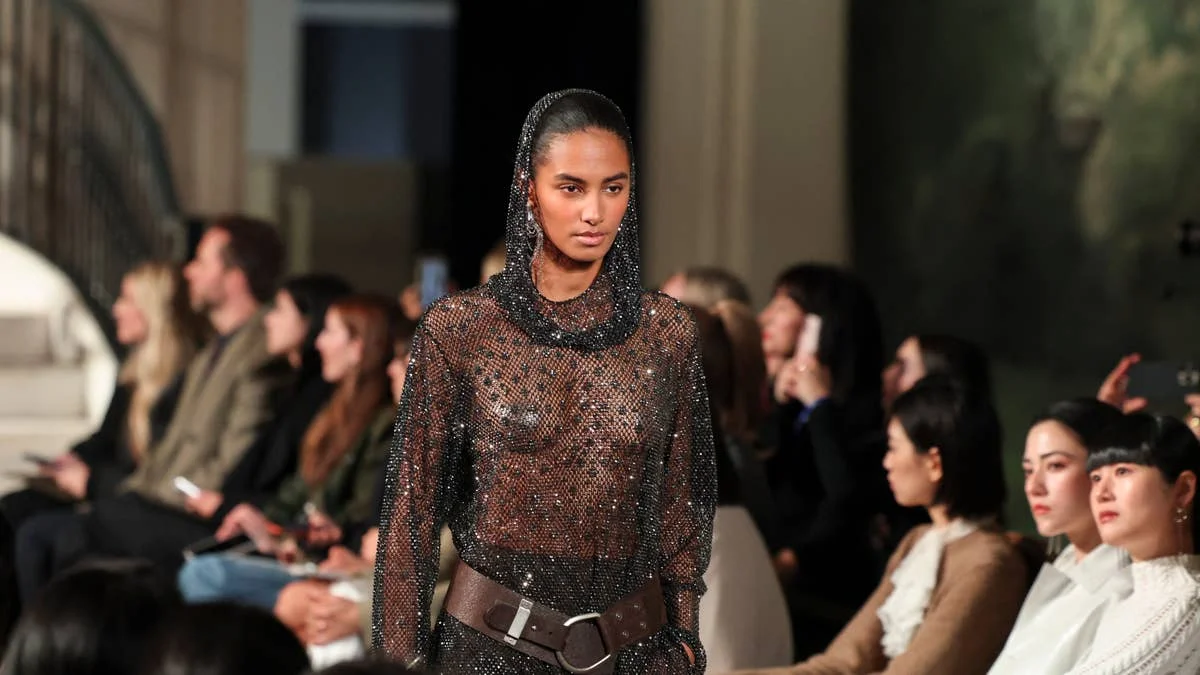
Photo: Angela Weiss / AFP via Getty Images
Shopping the Medieval Revival
If you’re inspired by this revival, there’s a wealth of pieces to choose from that echo its essence. The market is ripe with options ranging from corsets to flowing tops, many of which take cues from historical designs while remaining accessible for today's consumers. You can find everything from boutique offerings to more mainstream options, making it easier for anyone to participate in this trend.
- Samantha Pleet Muse Corset in Midnight Tapestry, $230, available here
- Samantha Pleet Joan of Arc Baby Tee, $90, available here
- Anna Sui Lingerie Lace Knit Camisole in Blush, $250, available here
- Reformation Palmira Top, $168, available here
- Madomorpho Cream Silk Bloomers, €230 ($263), available here
Implications and Future Outlook
The medieval revival is not merely an aesthetic trend; it’s a response to modern-day life that invites reflection, connection, and creativity in ways that may have been lost in the digital frenzy. As we embrace these historical styles, we're participating in a collective story that pushes back against the minutiae of our digital lives—reclaiming space for the imaginative and the adventurous. If you're working in this space, consider this: the value of clothing might lie less in the fabric itself and more in the narratives we weave around it. The potential for this trend could reshape how future fashion innovations are approached, perhaps returning to craftsmanship and storytelling rather than fleeting trends alone. What this means for the industry’s future is profound; it invites a consideration of how we understand culture through the prism of fashion, urging us not only to look back but also to critically evaluate our future choices.