Here are the latest noteworthy developments in the fashion world this Tuesday.
Marc Jacobs Unveils Spring 2027 Collection
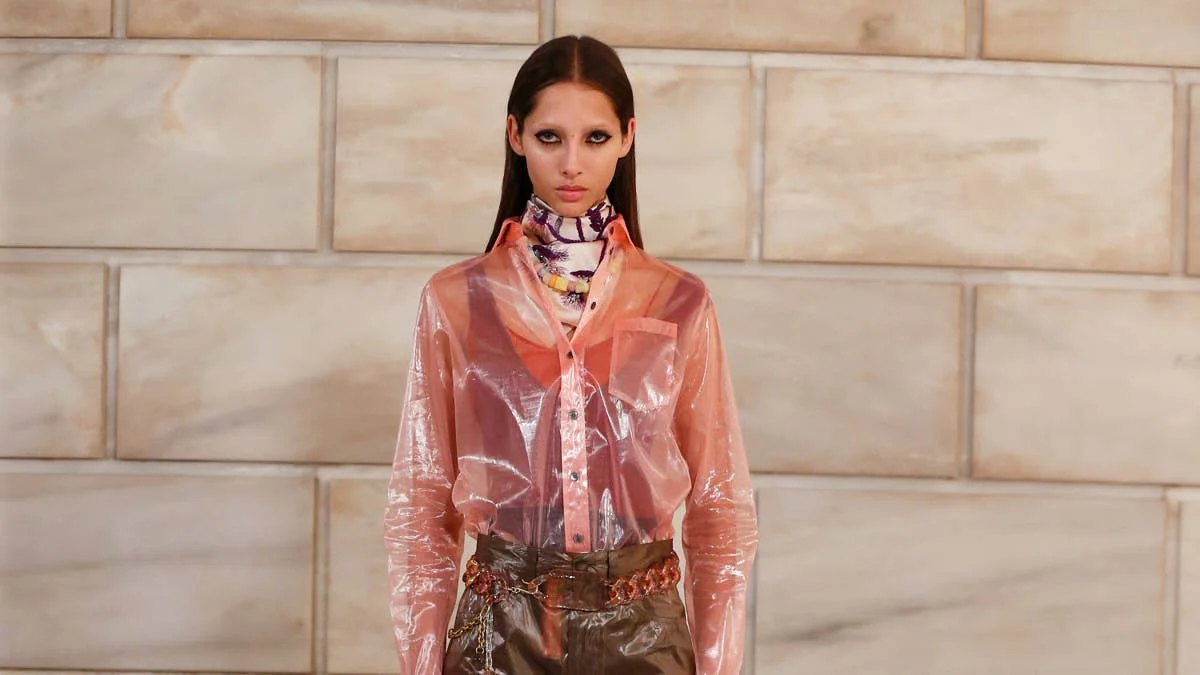
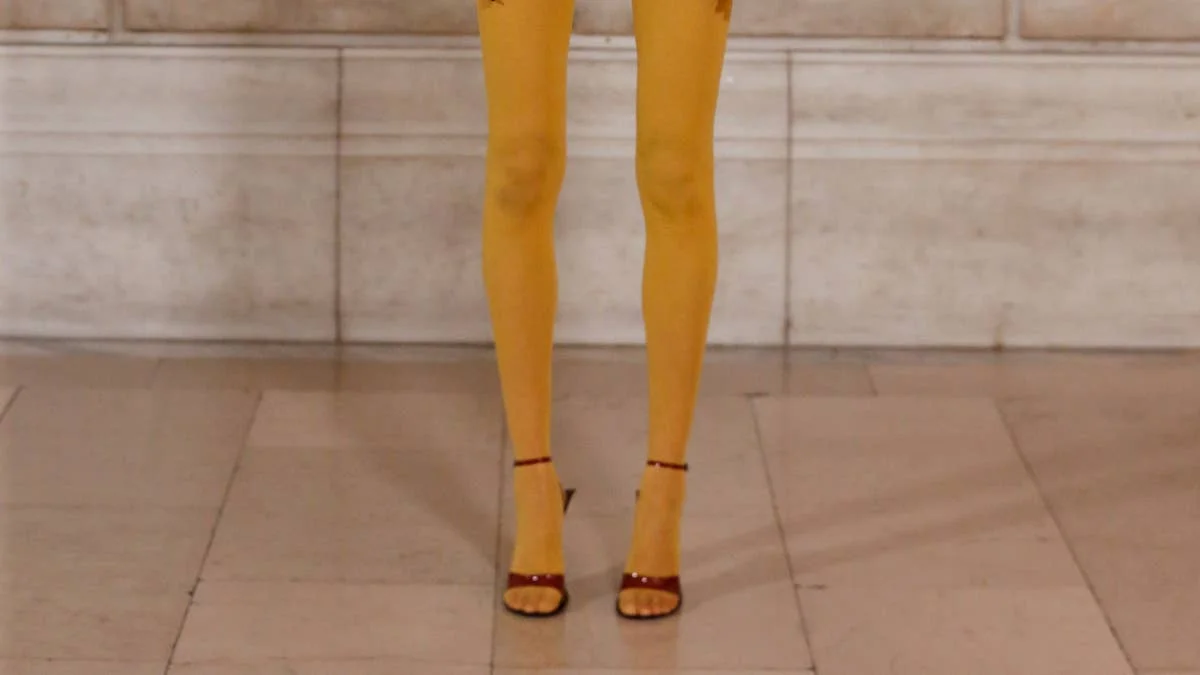
On Monday evening, Marc Jacobs presented his Spring 2027 collection, marking a significant moment as the first collection after LVMH's sale of the brand to WHP Global and G-III Apparel Group. This new line embraces a palette of vivid colors, flowing layers, and belted silhouettes designed to evoke sensations of optimism and delight. Many within the industry are watching closely as Jacobs navigates this new chapter in his brand's history. In his show notes, Jacobs expressed heartfelt gratitude, emphasizing his goal to provide “color, beauty, and joyful exuberance” to his audience. Such an approach seems to resonate not just as a aesthetic choice but as a strategic response to a market increasingly leaning into emotional connections with brands.
In the aftermath of LVMH's sale, there is heightened scrutiny on how leadership changes impact a designer's vision. G-III Chairman Morris Goldfarb reinforced the commitment to preserving the brand's spirit: “We're dedicated to maintaining the essence of Marc, the energy he embodies, and the legacy he has crafted.” Their pledge suggests a pragmatic understanding of consumer expectations—loyalty often hinges on a brand's ability to stay true to its roots while navigating new directions. Scroll through the visual highlights from the highly anticipated runway display below.
Highlights from the Runway

France Implements Fines for Ultra-Fast Fashion
In a significant move, the French parliament approved new legislation targeting ultra-fast fashion retailers like Shein and Temu. Brands classified as "ultra-fast fashion" are now subject to hefty fines starting at €6 (approximately $6.85) per item, with planned increases to €10 (around $11.40) by 2030. This legislation is part of a broader effort in Europe to address the environmental and ethical crises created by rapid production cycles and disposable clothing. The law also prohibits advertising and influencer promotions from these designated companies, reflecting a growing trend towards sustainability and ethical practices in the fashion industry.
Such measures could reshape consumer behavior and expectations, pushing brands to reconsider their business models. Industry experts often argue that the real challenge lies not just in compliance but in redefining what fashion means in a world increasingly concerned about its social and environmental impact. This move by the French government might influence other nations to adopt similar stances in the face of global criticism concerning fast fashion's sustainability.
Major Changes at Uniqlo U
Christophe Lemaire and Sarah-Linh Tran, the creative forces behind Uniqlo U's successful capsule collections since 2016, are reportedly set to depart from the brand. According to a report from Puck, the duo's final collection will be for Fall 2026. Their departure raises several questions about Uniqlo's direction in an increasingly competitive market where customer loyalty is fickle. Discussions have arisen about continuing Uniqlo U independently of Lemaire and Tran, but Fast Retailing’s CEO Tadashi Yanai has allegedly dismissed those ideas. Will the brand manage to retain its distinctive voice without its original creators guiding it? That’s what many in the fashion world are wondering.
Uniqlo's offerings have always been seen as a bridge between accessibility and quality, a feat that could struggle to maintain its balance during this transition. Lemaire and Tran’s creative insights have played a pivotal role in defining the aesthetic that made Uniqlo U appealing to a broad audience. This is an area many brands overlook—the continuity of vision in a shifting leadership framework is paramount to sustaining customer connections.
Conner Ives Returns to New York Fashion Week
American designer Conner Ives, who currently resides in London, is poised to make his mark at New York Fashion Week on September 12. Ives gained significant attention with his “Protect the Dolls” slogan T-shirt, signaling a strong engagement with socio-political themes. His return to New York is not mere nostalgia; it reflects a strategic recalibration in his branding following considerable growth over the past year. As he declares, “As a native New Yorker, it feels fitting to bring the brand back to where it all started for me.” This statement is about personal identity as much as it is about business, further emphasizing the connection between place and branding in the fashion industry.
If you're working in this space, keeping an eye on Ives' approach could offer valuable insights into how brand narratives evolve with geographical and emotional shifts. The significance of returning to one's roots can't be overstated; it signals to consumers that authenticity remains a valued currency in fashion.
Implications and Future Outlook
The fashion industry stands at a crossroads. As brands like Marc Jacobs and Conner Ives push for emotional and authentic connections with their audiences, legislative changes in France signal a potential shift toward sustainability that cannot be ignored. Companies will need to adapt or face penalties—not just financially, but in terms of brand reputation. The pressure's on for designers and retailers alike to rethink their strategies. Failure to take these trends seriously could lead to missed opportunities, alienated consumers, and increasingly stringent regulations globally.
Brands need to embrace this evolution, pushing for transparency and sustainability at every level. This is an ongoing conversation, and the outcomes could define the next era of fashion. Will others follow suit in reforming their structures? It remains to be seen, but those who don't adapt may find it increasingly difficult to thrive.