Versace's CEO Resignation
Emmanuel Gintzburger has stepped down as CEO of Versace, effective June 23, according to a statement from Prada. Gintzburger took on the CEO role at Versace in 2022 after his tenure at Alexander McQueen. The luxury fashion industry often sees leadership changes as pivotal moments that reflect a brand's direction. Gintzburger's departure raises questions about the strategic vision the company will take going forward. Prada confirmed that details regarding his successor will be shared soon.
Leadership transitions at major fashion houses can cause ripples throughout the luxury sector. Gintzburger’s resignation might reflect internal challenges or shifts in market dynamics that necessitate a new approach for Versace. He brought with him a wealth of experience from Alexander McQueen, known for its theatricality and artistry, which could have influenced Versace’s creative trajectory. With announcements hinting at a successor soon, stakeholders are left speculating whether the new leadership will prioritize innovation, sustainability, or both.
Balenciaga Teams Up with Substack
In a notable move, Balenciaga has become the inaugural fashion house to join Substack's sponsorship initiative. This collaboration allows creators to generate editorial content while integrating diverse revenue models, including brand partnerships. Balenciaga’s CEO, Gianfranco Gianangeli, emphasized the brand's long-standing tradition of innovation and its role in fostering independent thought through this partnership, noting it as a continuation of Balenciaga's cultural legacy. The branding potential of this partnership rests on the growing influence of Substack as a content platform.
For Balenciaga, aligning with Substack could be more than just a marketing tactic; it signifies a shift in how fashion brands engage with audiences. By marrying editorial content with monetization strategies, Balenciaga is acknowledging the importance of narrative in marketing. This partnership not only lets designers showcase their creative process but also gives consumers a chance to understand the ethos behind the collections. The implications of this strategy could ripple through the fashion industry as brands seek to cultivate a more intimate relationship with consumers, moving beyond traditional advertising.
What this means for you, if you're working in this space, is a paradigm shift where storytelling becomes as crucial as the products themselves. It’s likely that more brands will start to experiment with content platforms like Substack, revolutionizing the way fashion communicates its identity.
Decline in H&M's Q2 Sales
On Thursday, H&M reported a 3% dip in its net sales for Q2 2026, totaling SEK 54.82 billion (roughly $5.62 billion). The brand operated with about 3% fewer stores than the same quarter last year. This kind of downturn isn't entirely uncommon in retail, especially given the shifting consumer preferences and economic challenges many businesses face today. As shoppers gravitate toward sustainable practices and unique buying experiences, fast fashion brands like H&M need to adapt to avoid being left behind.
Over the first half of the financial year (from December 1, 2025, to May 31, 2026), H&M's net sales were SEK 104.44 billion (approximately $10.73 billion), reflecting a 7% year-over-year decrease. While a dip in sales can be alarming, it also provides a lens through which one can view broader trends. A significant factor is the ongoing sustainability movement, which is reshaping the way consumers engage with clothing brands. Many shoppers are increasingly wary of fast fashion's environmental impact, forcing companies like H&M to reconsider their operational models.
And this is the part most people overlook: as brands face these hurdles, they often respond with short-term solutions. However, longer-term initiatives centered around sustainability, efficiency, and transparency will likely be the more viable pathway to recovery for H&M.
Kering Awards Recognize Finalists
Kering recently announced the four finalists for the second Kering Generation Award x Jewelry initiative. Among the contenders are two students and two startups: the student projects "Perching Willow" by Yang Yuchan and "Acacia" by Jill Schmid, alongside startups GeoGems by Lauriane Pinsault and Novanoma by Masanori Kirihara. This award aims to celebrate innovation and sustainable practices in the jewelry industry, but it’s also reflective of a growing interest in nurturing new talent within the sector.
The finalists' projects are set to be presented on July 9 at Kering's headquarters in Paris. Not only does this initiative serve as a spotlight for emerging designers, but it also represents Kering's commitment to sustainability—an increasingly pivotal theme in luxury markets. As these young creatives harness modern technologies and sustainable methods, they could shape the industry’s future. The recognition from established players like Kering may provide these finalists with invaluable visibility and opportunities, which are often vital for their careers.
Bad Gyal Joins DSquared2
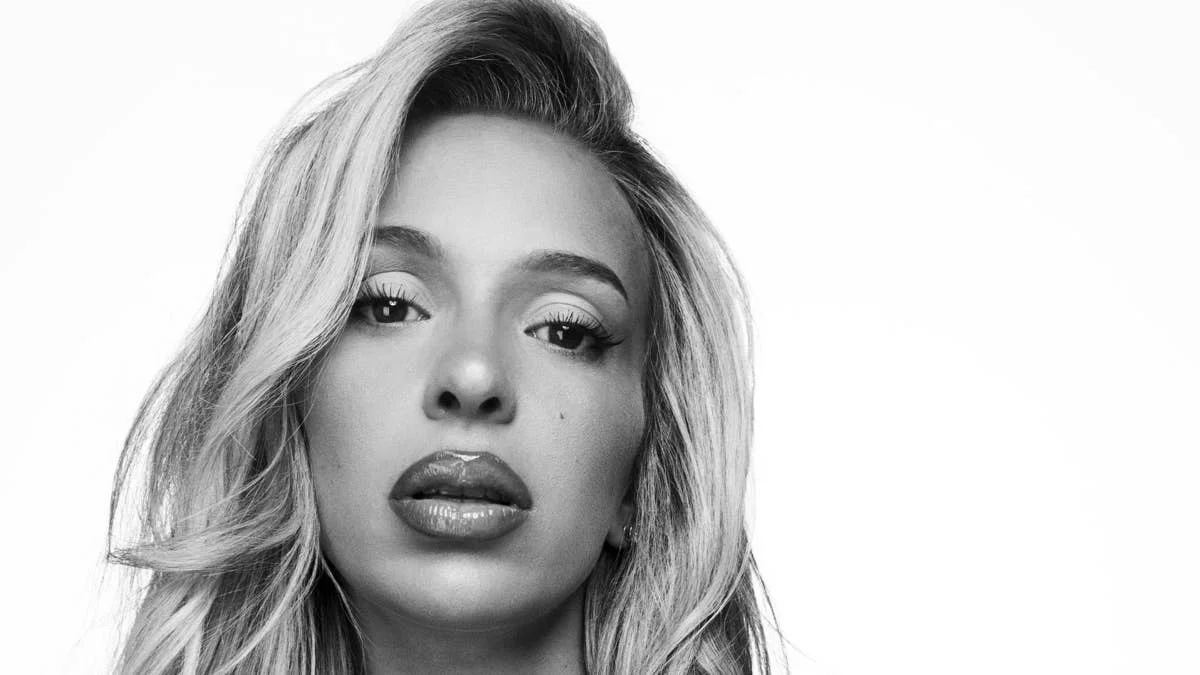
Photo: Courtesy of Dsquared2
DSquared2 has appointed Spanish artist Bad Gyal as its global brand ambassador. In this role, she will feature in upcoming international campaigns and represent the brand at significant events. Bad Gyal expressed admiration for DSquared2’s unique blend of edgy and elegant design. This appointment not only adds glamour to DSquared2's image but also highlights the brand's strategy of connecting with younger audiences through fresh, relatable figures.
What stands out is how brands today are increasingly gravitating toward ambassadors who resonate with modern consumers. Bad Gyal's cultural relevance and artistic acuity can inject new energy into the DSquared2 brand, making it more appealing to a generation that craves authenticity and connection over the traditional glamor often associated with luxury. If you're in brand marketing, this could serve as a case study worth examining—how leveraging the right ambassador can redefine brand identity and audience engagement.
Implications and Future Outlook
The recent developments in the luxury and retail sectors underscore the evolving challenges and opportunities facing these brands. From leadership changes at iconic houses like Versace to innovative partnerships like that of Balenciaga and Substack, each move conspicuously reflects the pressures of sustainability, consumer engagement, and market adaptation.
As consumers become more discerning, brands that fail to focus on these shifting dynamics may find themselves struggling. Those that adapt—like Kering with its focus on nurturing new talent and H&M’s need for a strategic pivot towards sustainability—can not only weather the storm but also potentially thrive. Ultimately, the future for these brands hinges on how effectively they can reconcile traditional practices with modern expectations. The stakes are high, and the next few years will likely dictate the trajectories of these well-known names in fashion.